Chiswick council garden waste rules and gardener compliance
Posted on 12/11/2026
Chiswick council garden waste rules and gardener compliance: a practical guide for local gardeners
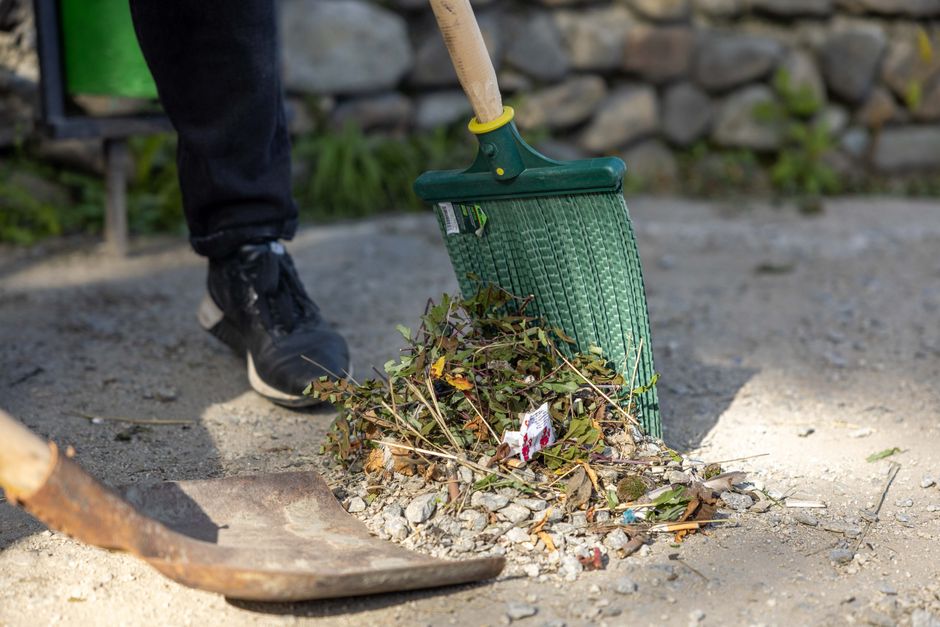
If you garden in Chiswick, tidy borders and fresh-cut lawns are only part of the job. The other part is making sure your green waste is handled properly, your work stays compliant, and you do not accidentally create a mess for the client, the neighbours, or yourself. Chiswick council garden waste rules and gardener compliance may sound bureaucratic, but in real life it comes down to something simple: clear-up done well, waste separated correctly, and disposal planned before the first hedge cut goes flying. That is the difference between a smooth job and a headache.
This guide breaks down the practical side of garden waste handling for gardeners, landlords, and property owners in Chiswick. You will get a clear view of what counts as garden waste, how responsible removal usually works, what best practice looks like on site, and where compliance matters most. We will also look at common mistakes, useful tools, and a realistic step-by-step process you can follow without overthinking it.
Why Chiswick council garden waste rules and gardener compliance Matters
Garden waste is one of those things that looks harmless until it is left in the wrong place, in the wrong bin, or split between a few half-filled bags that nobody wants to take responsibility for. In Chiswick, as in many parts of London, a local gardener is expected to work cleanly, respect collection systems, and avoid leaving clients with unresolved waste. That is not just a nicety. It affects trust, safety, access, and sometimes cost.
There is also the reputational side. A garden that has been pruned, cleared, or redesigned can look fantastic at 4 p.m. and still feel neglected by 8 p.m. if cuttings are piled against a fence or dumped beside the driveway. Let's face it, nobody wants to come home to a neat lawn and a bag mountain by the gate.
Compliance matters because garden work often involves more than plant material. You may deal with soil, woody stems, invasive growth, broken pots, old compost, and occasional mixed waste from patio edges or landscaping jobs. The more varied the work, the more important it becomes to separate material properly and plan disposal early. If you are already juggling hedges, borders, and seasonal pruning, it helps to have a simple waste routine rather than improvising every time.
There is another layer too: environmental responsibility. Good waste management supports composting where appropriate, reduces unnecessary disposal, and keeps recyclable organic material out of general rubbish. If you are interested in more sustainable habits, turning everyday waste into fertile earth is a useful companion read for making better use of what your garden produces.
How Chiswick council garden waste rules and gardener compliance Works
In practical terms, compliance starts before the first cut. A responsible gardener should identify the kinds of waste the job will create, decide how it will be collected, and make sure the chosen disposal method fits the property, the volume of material, and any local collection arrangements the client already uses. It sounds obvious. In practice, plenty of jobs go wrong because waste planning is left until the back of the van is already full.
The basic process usually looks like this:
- Assess the site and estimate waste volume.
- Separate green waste from non-organic waste.
- Bag, bundle, chip, or stack waste in a controlled way.
- Store it safely until collection or removal.
- Dispose of it through an appropriate route.
- Leave the site free of stray cuttings, soil clumps, and sharp debris.
Gardeners working on established maintenance rounds often build waste handling into the visit itself. A quick lawn cut might produce a small amount of grass clippings, while a full clearance after months of growth can generate bulky branches, ivy, and old mulch. The difference matters because the disposal route may change. What looks like "just green waste" can turn into mixed waste once you start lifting hidden rubbish from beds or edging around old timber.
For jobs involving overgrown climbers or boundary growth, it also helps to think ahead about cuttings that regrow easily. If you are tackling persistent ivy, for example, this guide on stopping ivy from coming back can help reduce repeat waste from the same area.
In many gardens, a good compliance routine is less about memorising rules and more about consistency. Use the same waste separation method every time. Keep the same bags, the same labels if you use them, and the same post-job sweep. It saves time. It also saves awkward conversations later.
Key Benefits and Practical Advantages
Once garden waste is handled properly, the benefits are immediate. The site feels tidier, the work looks more professional, and the client sees that the gardener has thought beyond the visible plant cuts. That confidence matters, especially in residential streets where neighbours notice everything. A clean finish says a lot.
Here are the most practical advantages:
- Cleaner presentation: finished jobs look deliberate, not thrown together.
- Lower risk of complaints: fewer issues with smell, obstruction, pests, or fly-tipping concerns.
- Safer working environment: clear paths reduce slips, trips, and cuts from hidden debris.
- More efficient labour: sorting waste as you go is faster than re-handling it later.
- Better client trust: people notice whether a gardener leaves the place genuinely finished.
- More sustainable practice: organic waste can often be managed more responsibly.
There is also a practical marketing benefit for local gardeners. Clients asking for ongoing garden maintenance in Chiswick usually want reliability as much as they want tidy beds. If you can show that your process includes proper waste handling, you immediately look more organised and more trustworthy. Simple, but powerful.
And here is a small truth from real garden work: a tidy waste system often reveals better results in the garden itself. When there is less clutter on site, pruning decisions become clearer, access is easier, and the whole space feels calmer. You notice the shape of the border again. That matters.
Who This Is For and When It Makes Sense
This topic is relevant to more people than you might think. It is not only for full-time landscape teams or large estates. In fact, most compliance issues crop up in smaller residential jobs where waste volume is modest but the process is informal.
You should pay close attention if you are:
- a homeowner arranging one-off or regular garden work;
- a self-employed gardener or grounds maintenance contractor;
- a landlord preparing a property for tenants or inspection;
- a property manager dealing with shared outdoor spaces;
- a landscaper removing old planting, turf, or timber;
- someone clearing an overgrown garden after a long gap.
It makes especially good sense when the job includes hedge cutting, lawn renovation, tree pruning, patio edge clearing, ivy removal, or border refresh work. A quick trim may only need a few green bags. A neglected garden can generate far more waste than expected, as discussed in the first steps to revive a neglected garden. That kind of job is where planning really pays off.
If you work in smaller outside spaces, compliance becomes even more visible. There is less room to hide bags, pile cuttings, or leave a temporary heap near the back gate. In a compact Chiswick garden, every choice is on display.
Step-by-Step Guidance
If you want a straightforward process, use this one. It is not fancy, but it works.
1. Walk the garden first
Look at the whole site before starting. Identify lawn areas, hedge lines, invasive growth, dead material, old pots, and anything that should not be mixed with green waste. A two-minute walk can save twenty minutes of sorting later.
2. Estimate the waste load
Ask yourself: is this a light tidy-up, a seasonal prune, or a full clearance? That answer shapes the bags, transport, and disposal method. A few clipped shrubs are one thing. A conifer hedge after a major reduction is another thing entirely.
3. Separate as you cut
Keep green waste separate from general rubbish or hard materials. Branches, leaves, grass, and soft growth should not be mixed with broken ceramics, wire, old compost sacks, or builder's debris. It sounds tedious. It really is not, once the habit is in place.
4. Store waste safely
Place bags where they do not block access, become trip hazards, or attract blowback into beds and patios. If the weather turns damp, secure lighter material so it does not drift across the garden. A windy afternoon in west London can turn loose clippings into a small disaster.
5. Dispose of it properly
Use the arrangement that fits the job and the client's expectations. That may mean an organised collection, transport away from the property, or another lawful and practical route. The point is not to improvise. The point is to finish cleanly.
6. Do a final sweep
Check paths, grates, borders, corners, and behind bins. You will often find a few stems or leaves hiding in plain sight. A final sweep is boring, yes, but it is also what separates an adequate job from a good one.
7. Confirm the finish with the client
Tell the client what was removed, what was left behind if anything, and whether any future visits will produce more waste than usual. That short conversation prevents confusion later. It also feels professional, which matters.
Expert Tips for Better Results
Small habits make a big difference. You do not need a dramatic system; you need a dependable one.
- Pre-label waste bags or containers. If you use the same setup repeatedly, workers can sort faster without asking the same questions every time.
- Cut from the top down. This keeps branches and foliage manageable and reduces the chance of burying heavier waste under lighter clippings.
- Chip or shred where appropriate. Smaller material is easier to handle and may be reused as mulch depending on the job.
- Protect hard surfaces. When working near patios or decking, avoid dragging thorny branches or wet soil across finished areas. If you need a refresher on surface care, patio cleaning in Chiswick is relevant once the job is done.
- Keep invasive growth separate. Some cuttings need extra care because they can root again if dumped carelessly.
- Use weather to your advantage. Dry days make handling cleaner and reduce sludge, but extremely windy days can scatter light waste. Balance the timing.
A useful rule of thumb: if it looks like it might re-root, self-seed, or spread, treat it with extra caution. That goes for ivy, some weeds, and certain soft stems. It is one of those details that seems small until you are back in the same corner next month wondering why the bed is alive again. Rather irritating, to be fair.
If you are selecting planting to reduce future maintenance and waste, the article on choosing the right plants for your climate can help you build a garden that creates less churn from the start. Fewer mismatched plants usually means less unnecessary pruning later.
Common Mistakes to Avoid
Most waste-related problems are not dramatic. They are small, repeatable mistakes that snowball.
- Mixing everything together: green waste, plastic, soil, and broken materials should not end up in the same pile.
- Leaving bags on pavements or shared access routes: that creates a nuisance and can cause complaints quickly.
- Underestimating the volume: a hedge reduction often produces far more waste than the visual size of the hedge suggests.
- Ignoring damp weight: wet clippings and soil are heavier, messier, and harder to manage safely.
- Skipping the final sweep: loose thorns, twigs, and leaves are exactly the sort of thing people step on later.
- Assuming the client will sort it out: if you are the gardener, the waste plan should be part of the job plan.
Another common slip is forgetting about edge zones. The real mess is often not in the main lawn area but around sheds, bin stores, side returns, and narrow access paths. Those spots trap clippings and bits of soil. They also make a site look unfinished, even if the main beds are immaculate.
Truth be told, if you can get the side return tidy, everything else feels easier.
Tools, Resources and Recommendations
Good waste handling does not require a van full of specialist kit, but a few practical tools make a big difference.
| Tool or resource | Why it helps | Best use |
|---|---|---|
| Heavy-duty garden bags | Contain clippings and reduce mess during transport | Routine maintenance, hedge cuttings, leaves |
| Tarpaulin | Makes collecting branches and bulk waste much easier | Pruning, clearance jobs, and windy conditions |
| Secateurs and loppers | Create more manageable waste pieces | Hedges, shrubs, and selective pruning |
| Wheelbarrow or tub trug | Reduces carrying strain and keeps routes cleaner | Small to medium gardens with narrow access |
| Pruning saw or chipper access | Helps with thicker woody material | Tree work and substantial shrub removal |
| Gloves and eye protection | Protects against splinters, thorns, and debris | Any job involving cuttings or rough handling |
For tool planning, the guide to must-have tools for passionate gardeners everywhere is handy if you are building a reliable kit. You do not need everything, just the right things.
If you are managing compact spaces, the article on how container gardening transforms small spaces may also help you reduce large-scale waste in the first place by keeping some planting contained and easier to maintain.
Law, Compliance, Standards, or Best Practice
This is the section where a careful tone matters. Garden waste handling can touch on several obligations depending on the type of work, the amount of waste, and who is carrying it away. You do not need to become a legal specialist, but you do need to understand the basic expectations.
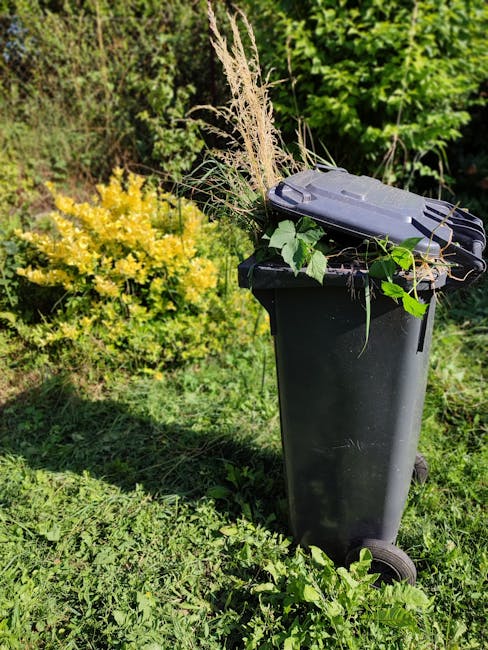
At a practical level, gardeners should avoid fly-tipping, ensure waste is transferred responsibly, and keep the property free from hazards caused by stored cuttings or debris. If a gardener removes waste from a client's property, the arrangement should be clear in advance. If waste is being stored temporarily on site, it should not obstruct access or create a nuisance. That is standard good practice.
For professional work, it is sensible to keep records of what was removed, where it went, and who arranged disposal. This is especially useful for larger jobs, regular commercial clients, or situations where material includes mixed waste rather than simple green cuttings. No one likes paperwork, but a short written note saves a lot of "I thought you were dealing with that" later on.
Best practice also means using safe handling methods for lifting, cutting, stacking, and moving material. The relevant expectations are not glamorous: use gloves, avoid overfilling bags, keep sharp tools out of traffic routes, and do not drag heavy bundles across paths. If you are running a business, clear procedures support consistency and help show that work is being done properly. If you want to see how a professional outfit frames this, the site's health and safety policy and insurance and safety information are useful supporting pages.
There is also a standards angle in terms of client expectations. A compliant gardener does not leave waste in a vague "I'll sort it next time" state. They communicate, document, and finish the site in a way that stands up to inspection. It is a small thing, but it signals professionalism very clearly.
Options, Methods, or Comparison Table
Different jobs call for different waste methods. The right choice depends on volume, access, waste type, and how quickly the site needs to be returned to normal.
| Method | Best for | Advantages | Watch-outs |
|---|---|---|---|
| On-site bagging | Light maintenance and small tidy-ups | Quick, simple, low disruption | Bags can become heavy or awkward if overfilled |
| Tarpaulin collection | Pruning and shrub work | Fast collection, less mess on paths | Needs space to lay out and drag safely |
| Branch bundling | Woody cuttings and hedge work | Efficient for bulky but structured material | Can be awkward in narrow access areas |
| Chipping or shredding | Repeated maintenance and mulch creation | Reduces volume and can support reuse | Not ideal for every site or every waste type |
| Mixed-load removal | Clearances and renovation jobs | Flexible when waste types are varied | Needs careful sorting to stay compliant |
If the job includes hedge reshaping or recurring boundary maintenance, a focused approach helps. For example, hedge trimming in Chiswick tends to produce predictable waste that can be handled efficiently if the method is set up well from the start.
And if the garden needs a broader tidy-up after a period of neglect, the scale of waste often grows quickly. That is where method choice becomes less about convenience and more about not making the site worse before it gets better.
Case Study or Real-World Example
A typical Chiswick scenario goes like this. A small rear garden has been left untouched through autumn and early winter. The hedge has pushed out, the borders are crowded, and the lawn is buried under a mix of leaves and soft growth. The client wants it back to a usable condition before family visitors arrive at the end of the month. No drama, just a real deadline.
The work starts with a site walk. The gardener identifies ivy along the fence, several thick hedge cuttings, damp leaves around the side return, and a few broken plastic pots hidden behind a border. Instead of piling everything together, the waste is split into green material and non-green items straight away. The hedge trimmings are bundled, the leaves are bagged, and the broken pots are set aside separately for safe disposal.
Because the access is narrow, large loose piles are avoided. Bags are kept to one side of the path and the final sweep is done twice: once before packing up, once after the last tool is loaded. It takes a little longer, but the finish is better. The garden looks open again, the paving is clear, and the client does not have to spend the weekend moving bags around. That is the sort of finish people remember.
If the garden also needs better structure after the clearance, a useful next step is to rethink planting and screening choices. Articles like essential ground cover plants for UK gardens and quick-growing privacy hedges can help shape a lower-maintenance future, which in turn often means less waste work next season.
Practical Checklist
Use this before, during, or after any job where garden waste is involved.
- Have I assessed the likely waste volume before starting?
- Have I separated green waste from mixed or non-organic waste?
- Are bags, bins, or tarpaulins ready before cutting begins?
- Have I thought about access routes and trip hazards?
- Are branches, thorns, or sharp stems contained safely?
- Have I planned disposal or collection in advance?
- Did I avoid blocking doors, gates, drains, or shared paths?
- Have I done a final sweep for loose clippings and debris?
- Have I told the client what was removed and what remains?
- Would I be happy with this finish if it were my own garden?
Key takeaway: the simplest compliance system is the one you can repeat every time. Sort early, keep the site safe, and finish fully. That alone solves most waste problems before they become expensive ones.
Get a free quote today and see how much you can save.
Conclusion
Chiswick council garden waste rules and gardener compliance are really about professional habits, not paperwork for its own sake. If waste is handled cleanly, separated sensibly, and removed in a way that respects the property, the job feels calm and competent from start to finish. That is what clients notice. And if you are the one living with the garden afterwards, you notice it too.
Good compliance also makes the gardening itself easier. Clear space means clearer decisions. Better decisions mean healthier gardens. It all stacks up, quietly. So whether you are managing a one-off clearance or a regular maintenance schedule, treat garden waste as part of the work, not an afterthought. Your future self will thank you, probably while standing in a much tidier side return.
Take the process seriously, but not anxiously. A well-run garden is usually just a series of small, sensible choices done consistently. That's the real secret.

As an expert gardener, David excels in providing assistance to thousands of customers in meeting their gardening needs. His proficiency extends to writing, where he focuses on a variety of topics related to gardening and landscaping.