Chiswick High Road garden maintenance guide for homeowners
Posted on 27/10/2026
Chiswick High Road Garden Maintenance Guide for Homeowners
If you live near Chiswick High Road, you already know a garden can be both a pleasure and a bit of a job. Between London weather, shaded front plots, compact back gardens, and the usual weekly life admin, outdoor spaces can slip from "lovely" to "slightly neglected" faster than you meant them to. This Chiswick High Road garden maintenance guide for homeowners is here to make the whole thing feel manageable again. Not perfect. Manageable.
Whether you're trying to keep a neat lawn, reduce weeds, rescue a tired border, or simply stop the patio from becoming a mossy slip hazard, the basics matter. And the good news? With the right routine, a garden in this part of West London can stay tidy, healthy, and genuinely enjoyable without eating your weekends.

Why Chiswick High Road garden maintenance guide for homeowners Matters
A well-kept garden does more than look pleasant from the pavement. In a street like Chiswick High Road, it can shape the first impression of a whole property. A tidy front garden says the home is cared for. A clean, well-managed back garden makes daily life easier. And for many homeowners, that means less stress every time the weather turns or the season changes.
Local gardens often face a familiar set of challenges: partial shade from mature trees, strong winds funnelled between buildings, compact soil, hard landscaping that gathers grime, and plants that race ahead after a mild spell and then sulk through a cold snap. Truth be told, that mix can catch people out. One week everything looks fine; the next, there's ivy creeping where it shouldn't, the lawn has gone patchy, and the hedge is a little too confident.
That is why regular, simple maintenance beats occasional heroic effort. If you let small tasks slide, they usually come back with interest. Keep on top of them, and the garden stays calmer, cheaper, and easier to enjoy.
For homeowners who want a broader introduction to long-term upkeep, the site's garden maintenance services in Chiswick and general gardening support can sit nicely alongside a DIY routine.
How Chiswick High Road garden maintenance guide for homeowners Works
A sensible maintenance plan is not about doing everything at once. It's about breaking outdoor care into a rhythm that suits the property, the season, and your own time. Most successful garden routines work in layers:
- Weekly or fortnightly tasks like mowing, edging, sweeping, watering, and quick weed removal.
- Monthly tasks such as hedge checks, pruning, feeding, and inspecting for pests or disease.
- Seasonal tasks like winter protection, soil improvement, pressure washing, and reshaping planting beds.
- Occasional projects such as reshaping borders, dealing with overgrown ivy, or refreshing tired planting schemes.
On Chiswick High Road, the "works" part often depends on the space itself. A small courtyard needs different treatment from a larger family garden. A front garden exposed to passing traffic and road dust needs more frequent sweeping. A shady back plot may need better drainage and more selective planting. A garden beside decking or patio space needs a different cleaning routine again.
Good maintenance also means paying attention to the hidden things: soil compaction, poor drainage, dead growth, blocked gutters over planting edges, and self-seeding weeds that start small and then suddenly look like they own the place. The tidy surface often starts below the surface.
Key Benefits and Practical Advantages
There are obvious benefits to staying on top of garden care, but the practical ones are usually the most persuasive. In our experience, homeowners tend to notice the value in very everyday ways.
- Less catch-up work: small, regular jobs are far easier than a full garden rescue.
- Better kerb appeal: useful if you care about presentation, resale, or just not feeling embarrassed when someone arrives early.
- Healthier planting: pruning, feeding, weeding, and watering properly support stronger growth.
- Safer outdoor areas: clear paths, trimmed growth, and clean hard surfaces reduce slips and trip hazards.
- Lower waste: when plants are chosen and maintained properly, you replace fewer of them.
- More usable space: a well-kept garden is somewhere you can actually sit, not just admire through the window.
There's also a mental benefit that's hard to ignore. A neat garden tends to feel calmer. Even ten minutes spent cutting back a few stray stems or sweeping leaves can change how the whole space feels. It sounds minor, but it really isn't.
If you're working with a tight budget or limited time, a low-maintenance approach can be a smart reset. The article on budget-friendly low-maintenance gardening ideas is a helpful companion read.
Who This Is For and When It Makes Sense
This guide is for homeowners who want a garden that feels looked after without turning into a second job. That includes people with a small terrace, a family lawn, a mature front garden, a shared boundary with hedges, or a garden that has been inherited in a rather tired state. If you've ever thought, "I just need a plan," you're in the right place.
It also makes sense when your garden starts showing one or more of these signs:
- weeds are appearing faster than you can pull them
- the lawn has thin patches, moss, or uneven growth
- hedges are blocking light or leaning out of shape
- the patio looks dull, slippery, or stained
- plants are overcrowded or failing after the winter
- the space feels cluttered rather than restful
Some homeowners only need guidance for routine upkeep. Others need a more serious reset. If the garden has been ignored for a while, it can help to start with the first steps to revive a neglected garden before moving into a regular routine.
And if you'd rather not do it all yourself, there's nothing odd about that. Plenty of people mix DIY maintenance with professional help for the heavier or more technical work. That's normal.
Step-by-Step Guidance
Below is a practical maintenance sequence you can use as a working routine. It is not fancy. It just works.
1. Walk the garden first
Before cutting, cleaning, or planting anything, take a slow walk around the space. Look for weeds, broken stems, clogged corners, mossy paving, overgrown edges, and areas where water sits after rain. This first pass helps you spot what actually needs attention instead of guessing.
2. Clear debris and dead growth
Remove fallen leaves, twigs, spent flowers, and damaged growth. Dead material invites pests and can make borders look messy even when the plants themselves are fine. A clean base makes every other job easier.
3. Tackle weeds properly
Weeds are one of those things that feel tiny until they're not. Pull them when the soil is damp, and try to remove the roots where possible. For persistent growth, especially around paving or beds, it helps to use a targeted routine rather than a one-off tidy-up. The piece on weed control tricks offers practical thinking without overcomplicating it.
4. Mow and edge the lawn
Keep lawn mowing regular rather than aggressive. Cutting too much at once can stress the grass, especially in hot or dry spells. Edging makes a surprising difference too. A crisp edge between lawn and border instantly makes the whole garden look more intentional, even if everything else is fairly simple.
5. Trim hedges and shrubs with a plan
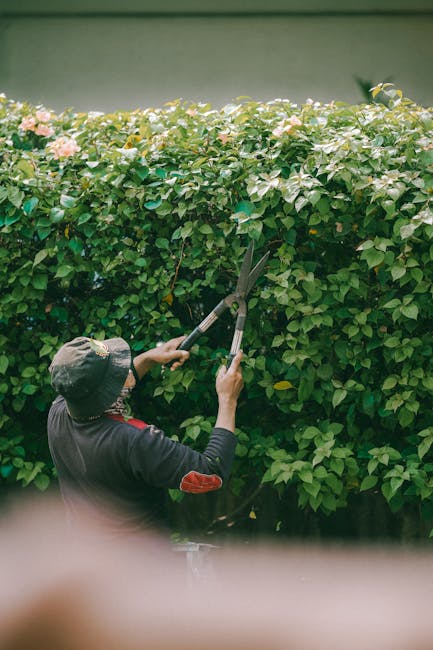
Hedges are often the backbone of a private garden, but they can overrun paths and swallow light if ignored. Trim with the shape of the plant in mind, not just the outline you want today. For more detailed guidance, see hedge trimming in Chiswick and the article on hedge trimming techniques and shapes.
6. Feed, mulch, and improve the soil
Healthy plants begin with decent soil. Add compost or organic matter where needed, and mulch around plants to hold moisture and reduce weeds. If you're making your own compost from kitchen and garden waste, the guide to turning everyday waste into fertile earth is worth a look.
7. Clean hard landscaping
Patios, paths, steps, and decking affect how the whole garden feels. Slippery green film, stains, and built-up grime don't just look untidy; they can make surfaces unsafe. Consider regular cleaning and occasional deep cleaning. If your paving or outdoor seating area needs attention, patio cleaning in Chiswick may be the practical next step.
8. Check plant choice and replace what is failing
Sometimes maintenance means being honest about what simply doesn't suit the garden. A plant that constantly struggles in shade, wind, or dry soil may be the wrong plant. Choosing better-suited species reduces effort later. The article on choosing the right plants for your climate is especially useful here.
9. Plan for the next season
Don't wait until the weather changes to think ahead. Winter protection, spring tidy-ups, and summer watering all reward a bit of advance planning. Even a quick note on your phone helps. Nothing glamorous, just sensible.
Expert Tips for Better Results
A few small decisions make a garden much easier to maintain over time. These are the details many homeowners overlook.
- Choose plants with the site in mind. Sunny, windy, shaded, or damp conditions all need different planting choices.
- Use ground cover where bare soil keeps reappearing. It reduces weeding and helps the garden look fuller. See also essential ground cover plants for UK gardens.
- Protect tender plants before the first cold snap. Waiting until frost arrives is usually too late. The guide on winter plant protection is a good seasonal reference.
- Keep climbers and ivy under control early. Once they settle in, removal becomes a far bigger job. The article about stopping ivy from returning is practical and to the point.
- Do little and often. A 20-minute tidy every week is better than a six-hour clear-up once a month. No contest.
- Be careful with heavy pruning in nesting season. If birds are active, check before cutting back trees or dense shrubs.
- Make maintenance easier with design choices. Wider paths, fewer awkward corners, and container planting can all reduce the workload.
A nice example: a homeowner with a north-facing garden might swap a patch of bare soil for tough shade-tolerant planting, add a low border of ground cover, and keep the hedge trimmed before it crowds the path. That single set of changes can cut maintenance in half. Sometimes the smartest garden is the less dramatic one.
If the property has a lot of shade or vertical surfaces, ideas from evergreen climbers as green solutions can help create structure without adding constant fuss.

Common Mistakes to Avoid
Most garden problems do not begin as disasters. They begin as habits. A few common ones are worth calling out.
- Cutting grass too short in an attempt to mow less often. That usually leads to stress and patchiness.
- Ignoring hedge growth until it blocks light or becomes awkward to trim safely.
- Using the wrong plant in the wrong spot, then spending months trying to rescue it.
- Leaving weeds until seed has spread, which turns a small job into a recurring one.
- Overwatering containers because the surface looks dry while the root zone is still damp.
- Forgetting drainage around patios and borders, especially after wet spells.
- Letting tools sit dirty or blunt, which makes every job harder than it needs to be.
One more thing: don't try to "catch up" by doing everything in one frantic weekend. People say they're going to blitz the garden, and then by Sunday evening they're surrounded by bags of cuttings, a sore back, and half-finished edging. We've all seen it. Pace wins.
Tools, Resources and Recommendations
You do not need a shed full of kit to maintain a decent garden, but a few reliable tools make a very real difference. If you're starting from scratch, the article on must-have tools for gardeners is a useful foundation.
| Task | Useful tools | Why it helps |
|---|---|---|
| General tidy-up | Gloves, secateurs, hand fork, garden waste bags | Makes routine clearing quicker and safer |
| Lawn care | Lawn mower, edging tool, rake | Helps grass stay neat and even |
| Hedge and shrub work | Hedge trimmer, loppers, pruning saw | Handles structured growth cleanly |
| Patio and path cleaning | Stiff broom, scraper, pressure washer where suitable | Improves appearance and grip underfoot |
| Plant care | Watering can, compost, mulch, plant feed | Supports stronger, more resilient growth |
For small or awkward spaces, containers can be a clever solution. They give you control over soil and placement, and they make it easier to refresh a corner that otherwise feels cramped. The guide on how container gardening transforms small spaces is a smart read for compact gardens.
If your garden also needs a more polished social area, don't ignore simple comfort details. A little seating, a clear sightline, maybe a shaded corner. The article on creative seating designs can spark ideas without making the space feel overdone.
Law, Compliance, Standards, or Best Practice
For most homeowners, garden maintenance is straightforward. Still, there are a few best-practice points to keep in mind, especially in a London setting where properties sit close together.
- Check boundaries before cutting or removing vegetation. Hedges, fencing lines, and overhanging branches can involve shared responsibility or neighbour agreement.
- Be cautious with tree work. Larger trees or major reductions may need specialist attention, particularly if access or stability is an issue. See tree surgery in Chiswick for more complex cases.
- Dispose of waste responsibly. Green waste should be handled in a way that suits local collection or removal arrangements. Don't leave cuttings where they may block drainage or encourage pests.
- Take care around tools and chemicals. Follow manufacturer guidance, store equipment properly, and keep children and pets away from active work areas.
- Respect nesting wildlife and habitat. Avoid unnecessary disturbance where birds or other wildlife are clearly active.
If you want extra reassurance about how work is handled, the pages on health and safety, insurance and safety, and terms and conditions are worth reviewing. For privacy concerns, the site's privacy policy and cookie policy are also available.
Accessibility matters too. Good outdoor care should work for the people who actually use the space. The accessibility statement is a useful reference if you want to understand the site's approach to inclusive use. And if you ever need to raise an issue, there is a formal complaints procedure in place.
Options, Methods, or Comparison Table
Homeowners usually choose between three broad approaches: DIY upkeep, mixed maintenance, or a fuller professional service. The right option depends on time, confidence, garden size, and how much heavy lifting the plot needs.
| Approach | Best for | Strengths | Trade-offs |
|---|---|---|---|
| DIY routine | Small to medium gardens, confident homeowners | Flexible, low ongoing cost, hands-on control | Requires time, tools, and consistency |
| Mixed approach | Busy households, gardens with occasional heavy jobs | Good balance of cost and convenience | Needs planning and clear priorities |
| Professional support | Overgrown gardens, larger plots, limited time or mobility | Efficient, safer for technical work, less stress | Higher cost than doing everything yourself |
If you're uncertain, start with the jobs you enjoy and outsource the tasks you dislike or can't safely handle. That's usually the most sustainable arrangement. Not glamorous, but sensible.
For ongoing lawn work, lawn mowing in Chiswick and lawn care in Chiswick are practical options to compare when grass quality is a priority.
Case Study or Real-World Example
Here's a realistic example based on the kind of garden many Chiswick homeowners deal with. A mid-terrace house had a small rear garden: narrow lawn, tired border, old paving, and a hedge that had grown just a bit too freely along the boundary. Nothing dramatic. Just one of those spaces that slowly starts asking for attention every time you look out the kitchen window.
The owner began with a clean-up: leaves removed, weeds pulled, edging restored, and the patio washed down. Then came a slightly better structure. The border was simplified, a few high-maintenance plants were replaced with tougher choices, and containers were introduced to create colour without adding more weeding. Ivy creeping near the fence was dealt with properly, rather than left to "sort itself out," which it never does. A seasonal mulch layer went in, and the hedge was brought back to a manageable line.
The result was not a designer garden. It was better than that in a way. It became easier to live with. The owner could keep it tidy in short sessions, the patio felt usable again, and the whole space looked calmer by default. That is the real win for most homeowners: not a magazine spread, just a garden that stops demanding attention every single day.
And yes, once the space was easier to maintain, they actually used it more. Funny how that works.
Practical Checklist
Use this simple checklist to keep your garden on track through the year.
- Walk the garden and note problem areas
- Remove fallen leaves, dead growth, and loose debris
- Pull weeds before they seed or spread
- Mow the lawn at a steady, sensible height
- Trim hedges and shrubs before they become awkward
- Check borders for bare patches, pests, or overcrowding
- Add compost or mulch where the soil looks tired
- Clean patios, paths, and decking surfaces
- Review plant health after wet or frosty weather
- Plan seasonal work before the weather changes
- Keep tools clean, sharp, and stored safely
- Book help for larger tree, hedge, or landscaping jobs when needed
If you want to shape the garden for better privacy as well as maintenance, the guide on quick-growing privacy hedges is a helpful planning resource.
Get a free quote today and see how much you can save.
Conclusion
A good garden in Chiswick is rarely the result of one big makeover. More often, it comes from small habits done consistently: a bit of weeding, some proper pruning, seasonal protection, a cleaner patio, and a plan for the things that tend to run away from you. That is really the heart of this guide.
If you keep maintenance realistic, the garden becomes easier to enjoy and less likely to become a weekend burden. Start with the basics, build a routine you can actually keep, and bring in specialist help where it saves time or reduces risk. Simple as that. Well, simple-ish.
With a bit of steady care, even a modest garden near Chiswick High Road can feel thoughtful, calm, and quietly impressive. And that's a lovely thing to come home to.

As an expert gardener, David excels in providing assistance to thousands of customers in meeting their gardening needs. His proficiency extends to writing, where he focuses on a variety of topics related to gardening and landscaping.