Real cost to hire gardeners in Chiswick 2026 price guide
Posted on 04/11/2026
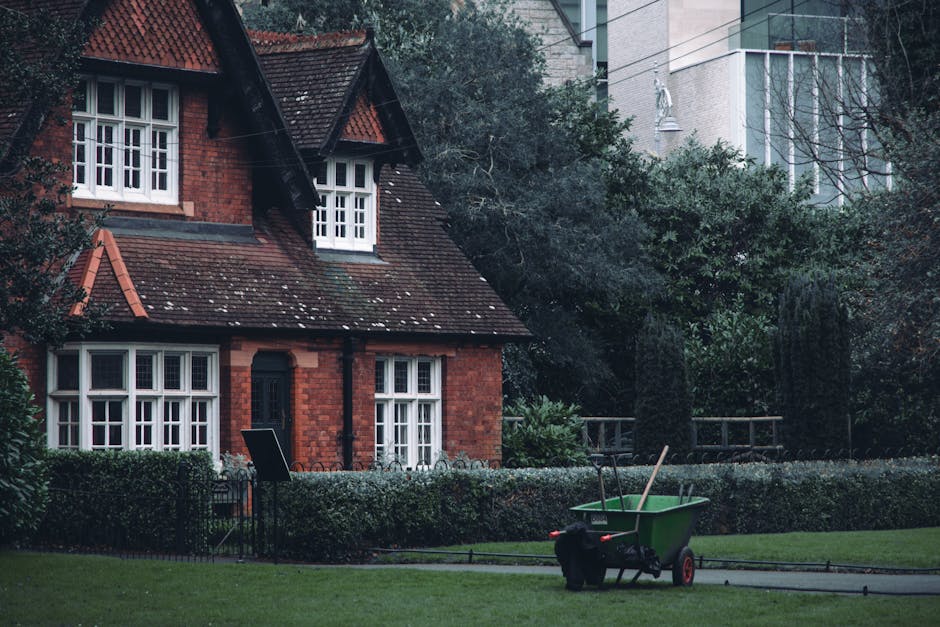
If you're trying to work out the real cost to hire gardeners in Chiswick in 2026, you're probably after something a bit more useful than a vague "starting from" price. Fair enough. Most people want to know what a sensible budget looks like, what changes the bill, and how to avoid paying over the odds for jobs that should be straightforward.
This guide breaks down the likely costs, the common pricing models, and the practical factors that matter in a leafy, varied area like Chiswick. We'll look at one-off tidy-ups, regular maintenance, hedge work, lawn care, and heavier jobs like clearance or landscaping. You'll also get a simple decision framework, a comparison table, a checklist, and a few real-world examples so you can judge quotes with confidence rather than guesswork.
In short: if you want to hire a gardener in Chiswick without feeling slightly lost after the first quote lands in your inbox, you're in the right place.
Why this price guide matters
Garden care in Chiswick can look simple from the outside. A bit of mowing, a hedge trim, maybe a quick tidy after winter. Then the quote arrives and you realise the job description was doing a lot of heavy lifting. That's exactly why a realistic cost guide helps.
Local pricing is shaped by more than just the size of your garden. Access can be awkward, parking may be limited, waste removal may need to be factored in, and some gardens have mature planting or older surfaces that need slower, more careful work. A front garden in a terraced street is one thing; a larger back garden with overgrown borders and tired lawn is another entirely.
Let's be honest, nobody enjoys paying for avoidable surprises. A clear budget gives you room to choose the right service level, compare like for like, and decide whether you need a one-off visit or an ongoing maintenance schedule. It also helps you spot a quote that is oddly low. And yes, suspiciously low quotes often cost more later. Funny how that works.
For homeowners, landlords, and busy families, the right gardener can save time, improve kerb appeal, and stop small jobs turning into a weekend-eating monster. If you're planning a larger outdoor refresh, it can also help to read up on budget low-maintenance gardening ideas before you spend a penny.
How this price guide works
Gardener pricing in 2026 usually falls into a few broad buckets: hourly rates, half-day or full-day bookings, fixed-price tasks, or ongoing maintenance agreements. The method used matters almost as much as the headline number.
Hourly pricing works well for smaller, less predictable jobs. Think weeding, light pruning, planting, bed tidy-ups, and general maintenance. It is flexible, but the final cost depends on how much gets done in the time.
Day-rate or session pricing is common for larger jobs that need a block of time. If your garden has gotten a bit wild after a wet season, a half-day or full-day booking can be better value than watching the clock minute by minute.
Fixed quotes are more common for clearly defined work such as hedge trimming, lawn renovation, patio cleaning, fence-related garden prep, or a one-off clearance. These are usually easiest to compare because the scope is clearer.
Maintenance plans spread the cost across regular visits. This is often the most sensible option if you want your garden to stay tidy rather than bounce between "fine" and "slightly alarming".
In practice, the real cost depends on labour time, travel, complexity, disposal needs, tools, and whether the job includes plant care or only hard-garden tasks. A gardener who also needs to handle ivy removal, seasonal planting, or beds full of deep-rooted weeds is not doing the same job as someone just mowing a neat lawn.
If your garden includes hedging, it may help to compare the job with the guidance on hedge trimming in Chiswick and the more detailed advice in innovative hedge trimming techniques.
Key benefits and practical advantages
Hiring a gardener is not just about saving your own time, although that is a big part of it. There are several very practical advantages.
- Better workmanship: A decent gardener knows how to prune, mow, edge, and clear without damaging plants or surfaces.
- Less waste of money: You avoid buying tools you'll use once, or plants that fail because they were put in the wrong place.
- Regular upkeep: Small interventions stop bigger, pricier jobs later.
- Stronger presentation: This matters for rental properties, sale prep, and just enjoying your space without feeling guilty every time you look outside.
- Safer work: Tricky ladders, heavy branches, slippery patios, and awkward slopes are best handled carefully.
There's also the simple quality-of-life benefit. A freshly cut lawn, clipped edges, and clear paths can make a garden feel calmer almost immediately. You notice the smell of the cut grass, the clean lines, the space opening up. It's a small transformation, but it makes a difference.
For people who want a low-fuss outdoor space, the article on ground cover plants for UK gardens is a smart companion read, especially if you're trying to reduce long-term maintenance.
Who this is for and when it makes sense
This pricing guide is useful if you fall into any of the following groups:
- Homeowners who need a one-off tidy-up before spring, summer, or a property viewing.
- Busy professionals who want a predictable maintenance visit rather than trying to squeeze garden work into Sunday afternoon.
- Landlords and letting agents who need outside areas kept presentable between tenancies.
- Older residents who would rather outsource heavy, bending, or repetitive work.
- Families who want the garden safe, usable, and not full of hazards underfoot.
- People returning from holiday to find the garden has, shall we say, gone its own way.
It also makes sense if you've got a project that is bigger than basic DIY but smaller than a full landscaping overhaul. That middle ground is where a lot of people hesitate. Do you do it yourself, or bring in help? If the answer is "I could do it, but I'd rather not spend two weekends on it," then a professional gardener is probably the cleaner option.
For those dealing with a neglected plot, the first steps to revive a neglected garden is a useful place to start before you request quotes. It helps you understand what may be involved, which in turn helps you budget more honestly.
Step-by-step guidance
Here's the simplest way to approach gardener costs in Chiswick without getting tangled up in jargon.
- Define the job properly. Write down exactly what you want done: mowing, edging, weeding, hedge trimming, pruning, planting, clearance, or a mix. The more precise you are, the more useful the quote will be.
- Split urgent work from routine work. A garden with overgrowth, deadwood, and a tired lawn may need a first visit that is quite different from future maintenance visits.
- Measure the visible workload. Think in terms of beds, borders, hedge length, lawn size, patio area, and access routes. A small garden with heavy planting can take longer than a larger but simpler one.
- Ask how pricing is structured. Is the quote hourly, day-rate, or fixed? Does it include disposal, materials, or fuel? That detail matters more than people expect.
- Compare scope, not just the number. One quote might include weeding and waste removal; another may not. Same price, very different value.
- Decide on frequency. If you want the garden to stay under control, regular visits often work out better than repeated rescue jobs.
- Check practical details. Availability, access, parking, and whether the gardener brings tools can all affect the final experience.
A useful rule of thumb: if you cannot describe the job in one or two clear sentences, it is probably not ready for a quote yet. That's not a failure. It just means the garden is asking for a bit of thought first.
Expert tips for better results
To get better value from a gardener in Chiswick, a few small habits help a lot.
First, group jobs together where possible. If you need hedge trimming, weed control, and a lawn cut, it is usually more efficient to combine them in one visit than to book separate calls. The travel time and setup are already done.
Second, be honest about the state of the garden. No one likes a nasty surprise when they arrive and find a border buried under bindweed. Mention problem areas upfront. It saves awkwardness and it gives you a more realistic quote. Everyone wins.
Third, think seasonally. Garden work changes through the year. After winter, the focus might be clearance, pruning, and recovery. By late spring and summer, it shifts toward mowing, edging, feeding, and regular control. If you want to be prepared, the guide on winter plant protection is helpful for understanding what may affect spring cleanup costs.
Fourth, choose maintenance-friendly planting. A garden packed with delicate specimens, thirsty annuals, or aggressive climbers may look beautiful, but it can also push up upkeep. If you want less fuss, browse how to choose the right plants for your climate before you commit to a planting plan.
Fifth, think about access. A side gate that is too narrow for a wheelbarrow, no parking nearby, or a long carry distance from the van to the back garden can all add time. It sounds mundane, but mundane things affect price every single day.

Common mistakes to avoid
A few mistakes keep cropping up when people hire gardeners, and most of them are easy to avoid.
- Choosing only on price. The cheapest quote is not always the best value, especially if it excludes waste removal or leaves half the job unfinished.
- Giving a vague brief. "Just tidy it up" means different things to different people. One person's tidy is another person's light surgery.
- Ignoring maintenance needs. A one-off clearance might look cheaper, but if the garden needs regular attention, the long-term total can be higher.
- Forgetting disposal costs. Green waste and heavy material sometimes need proper removal, and that can change the quote.
- Assuming every gardener does every job. Some focus on maintenance, others on hedge work, lawn care, or landscaping.
- Booking too late in peak season. Spring and early summer often fill quickly, so the best-value slot may not be the most convenient one.
There's also a subtle one: people often forget to ask what won't be included. That's a perfectly fair question, and frankly a very sensible one.
Tools, resources and recommendations
You do not need to be a gardening expert to brief a gardener well, but a few tools and resources make life easier.
Useful items to have ready:
- A quick list of the jobs you want done.
- Photos of the garden, especially the messy bits.
- Approximate sizes of lawns, hedges, or borders.
- Any access notes, such as locked gates or shared entrances.
- Notes on pets, fragile planting, or areas you want left untouched.
If you are trying to keep costs sensible, some background reading can help you make better decisions about planting and maintenance. For example, herb garden planning can help you design a useful, compact space; container gardening for small spaces is ideal if your outdoor area is tight; and weed control tips may help you understand why some tidy-ups take longer than expected.
If your garden is exposed or awkwardly placed, the weather can affect what a gardener needs to do and when. On windy or wet sites, tasks sometimes need more care than the price initially suggests. The posts on windproofing a garden and shielding your garden from inclement weather are both worth a look if that sounds familiar.
Law, compliance, standards, and best practice
For everyday domestic gardening, the most important thing is not legal complexity; it is sensible working practice. A professional gardener should operate safely, communicate clearly, and handle waste responsibly. In plain English, that means using appropriate tools, keeping pathways clear, and not cutting corners where someone could be put at risk.
If work involves ladders, power tools, chainsaws, or significant debris, it is reasonable to ask how safety is managed. If you have a child-friendly or pet-friendly garden, that matters even more. The same goes for jobs near sheds, fences, decking, or delicate planting.
It is also sensible to ask about insurance and what happens if something gets damaged. Good operators will usually be comfortable explaining how they work. If a company has clear documents on health and safety, insurance and safety, and terms and conditions, that is a good sign they take the job seriously.
Waste handling is another practical area. Green waste, ivy cuttings, soil, and larger arisings should be dealt with properly. If you are asking for clearance, check whether removal is included or charged separately. That single detail can change the final bill quite a bit.
For more reassurance about how a provider handles information and payments, it can help to review their payment and security and privacy policy. Not glamorous, no, but useful.
Options, methods, and comparison table
Different booking styles suit different situations. Here's a practical comparison to help you decide what usually makes sense.
| Booking method | Best for | Cost control | Typical downside |
|---|---|---|---|
| Hourly rate | Small tidy-ups, weeding, light pruning, flexible jobs | Good for short, defined tasks | Final bill can creep if the job expands |
| Half-day / day-rate | Overgrown gardens, mixed tasks, seasonal resets | Often better value for bigger workloads | May be more than you need for tiny jobs |
| Fixed-price quote | Hedge trimming, lawn work, patio cleaning, specific tasks | Very clear if the scope is well defined | Changes to the brief can mean revised pricing |
| Regular maintenance plan | Homes that need ongoing care and predictable upkeep | Usually best for long-term budgeting | Less suitable if you only need one visit |
For a lot of Chiswick homes, the sweet spot is a combination: a one-off reset, followed by lighter regular maintenance. That tends to keep the garden pleasant without paying for a rescue mission every month.
If lawns are your biggest headache, compare the implications of mowing versus fuller upkeep by looking at lawn mowing in Chiswick and lawn care in Chiswick. Those two aren't the same thing, even if they often get lumped together.
If you are weighing a broader outdoor project, garden maintenance in Chiswick, gardening services in Chiswick, and landscaping in Chiswick each point to a different level of scope and cost.
Case study or real-world example
Here's a realistic example. A homeowner in Chiswick gets in touch after a wet spring. The lawn is patchy, the borders are full of weeds, and the hedge has grown a bit too fond of itself. The garden is not disastrous, but it is no longer the calm outdoor space they wanted.
If they ask for "a tidy-up", the quote may be fuzzy. If instead they say: mow the lawn, edge the borders, remove weeds from the front and back beds, trim the hedge, and take away the waste, the pricing becomes much clearer. Same garden, very different brief.
In this sort of job, the cost usually climbs or drops based on three things:
- How much overgrowth has built up.
- Whether the gardener needs to return for a second pass.
- Whether waste removal and disposal are included.
Often, the smartest move is not to squeeze everything into the cheapest first visit. A better approach is to agree on a full reset, then book lighter follow-up visits. It is calmer, more predictable, and usually easier on the budget in the long run.
If you want your garden to feel more purposeful after the work is done, the ideas in creative seating designs and zen garden ideas can help you make the most of the refreshed space.
Practical checklist
Before you book, run through this quick checklist. It saves time, and it usually saves money too.
- Have I written down the exact jobs I want done?
- Do I know whether I want a one-off visit or regular maintenance?
- Have I mentioned access issues, parking, or gate restrictions?
- Have I asked whether waste removal is included?
- Do I know if tools and materials are supplied?
- Have I shared photos so the quote can be realistic?
- Have I compared scope as well as price?
- Do I understand what safety and insurance cover is in place?
- Have I checked whether the job is seasonal or weather dependent?
- Have I considered any planting changes that could reduce future maintenance?
If you can tick most of those off, you're already ahead of the average customer. Honestly, most disputes start with something simple being left unsaid.
Get a free quote today and see how much you can save.
Conclusion
The real cost to hire gardeners in Chiswick in 2026 depends on scope, access, frequency, and the level of care your garden actually needs. That sounds obvious, but it is exactly why prices can vary so much from one home to the next. A tidy terrace garden, a hedged family plot, and a neglected large back garden are all different jobs.
If you focus on the job brief, not just the headline rate, you're far more likely to get fair value. That means asking what is included, what is extra, and what kind of upkeep your garden will need after the first visit. A good gardener should make your life easier, not add another layer of uncertainty.
In the end, the best budget is the one that gives you a garden you can actually enjoy. Not perfect, not overworked, just calm, tidy, and ready to be used. That's the real win.
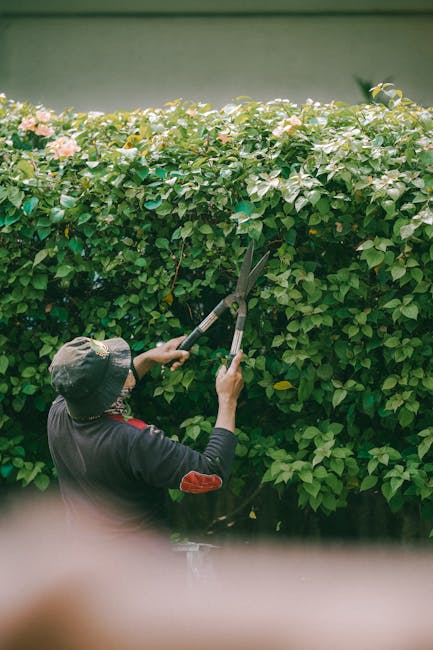

As an expert gardener, David excels in providing assistance to thousands of customers in meeting their gardening needs. His proficiency extends to writing, where he focuses on a variety of topics related to gardening and landscaping.